AI Overview: In Clash Royale, use a Hero when its active ability solves a specific problem, and favor a Card Evolution when its upgraded turn strengthens the plan your deck already follows. Heroes are a button you press. Evolutions are a turn you prepare. Where your slots allow, combine both, and plan your Elixir first. Every number here comes from the October 2026 card data.
Last Updated: October 2026
Key Points:
- Hero abilities are single-use per deployment after the August 4, 2026 balance update (Boss Bandit excepted).
- Trophy Road, Ranked, and challenges use one Evolution Slot, one Hero Slot, and one Wild Slot.
- Evolution cycles count plays of that exact card, not any card.
- Hero Electro Wizard comes with Upgraded Pass Royale. Electro Giant Evolution is an album completion reward.
A golden troop enters the Arena. A purple card waits in your hand. Both look ready to save the match. Neither fixes a bad plan.
That is the key to Clash Royale strategy in the age of Heroes and Card Evolutions. Heroes reward a well-timed ability. Evolutions reward planning around an upgraded deployment. The best choice depends on what your deck needs, what you can afford in battle, and how reliably you use the card.
This guide follows Supercell’s current rules. It explains the deck slots, ability timing, Evolution cycles, and a practical way to choose upgrades. It also covers the new Shocktober additions without pretending that launch-day excitement proves a card is the best.
The quick answer: use a Hero when its active ability solves a specific problem. Favor an Evolution when its upgraded turn strengthens the plan your deck already follows. Where your slots allow, combine both. Your real opponent is often the empty Elixir bar. More on this world in our Games section.
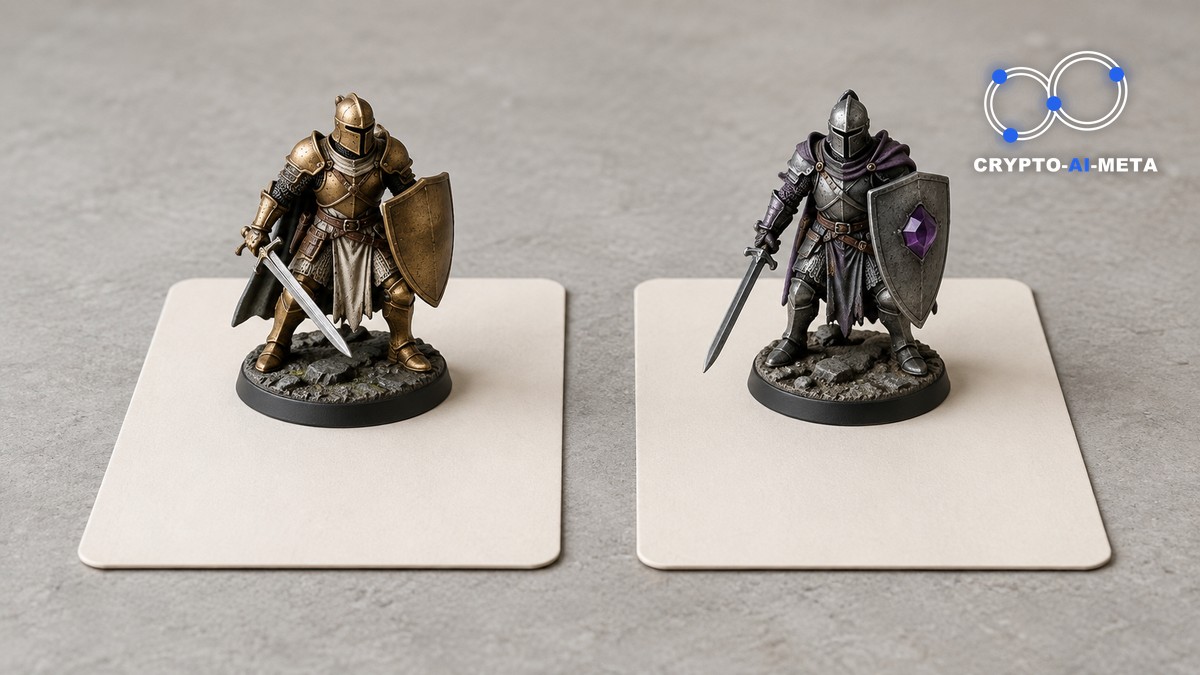
Table of Contents
Heroes vs. Card Evolutions: the main difference
Heroes are special forms of existing cards. Put an unlocked Hero in an eligible slot, deploy it, then spend Elixir to activate its ability. The extra decision happens during the fight: whether to press the button, and when.
Card Evolutions follow a different rhythm. After the required number of normal plays of that card, its next deployment becomes evolved. The upgraded effects then happen automatically. There is no separate Hero-style ability button to press.
That makes the two systems different tools rather than rival teams. A Hero offers an active response. An Evolution offers a planned power spike. Both still need useful placement, enough support, and a reason to be in the deck.
A Hero is a button you press when the moment is right. An Evolution is a turn you prepare by playing the card normally first.
Think about the mistake each system invites. With a Hero, the temptation is pressing the button because it is available. With an Evolution, the temptation is wasting normal deployments just to reach the purple version sooner. Both can turn a stronger card into an expensive distraction.
The useful comparison is therefore not which system looks more powerful. Ask which one improves the situation your deck repeatedly faces. A defensive deck may need one reliable answer. A pressure deck may need a stronger attack at a predictable moment.
Check your slots before changing the deck
Supercell’s March 2026 update replaced the four-special-slot setup with one Evolution Slot, one Hero Slot, and one Wild Slot in Trophy Road, Ranked, and challenges. The Wild Slot accepts an Evolution, Hero, or Champion.
Current English support places the Hero Slot unlock at Arena 5 and the Wild Slot at Arena 10. Older launch guides list different unlock points. Those historical numbers should not guide an October deck-building decision.
Once the relevant slots are available, the Wild Slot creates a real choice. A second Evolution can support repeated pressure. Another Hero can add a different active answer. A Champion can fill that flexible position too. Champions are a separate card category, even though they share eligible slots and spend Elixir on abilities.
Do not assume every special event uses the same setup. Check its deck rules before copying a normal battle plan. A mode with supplied cards or unusual mechanics may change what is available and which interactions matter.
Before entering a match, inspect the selected form and slot. Owning a Hero or Evolution does not automatically activate it wherever the card sits. That small check is less exciting than unlocking something new, but considerably cheaper than discovering the mistake during a defense.
Hero abilities now demand a clear purpose
The August 4, 2026 balance update changed Hero and Champion abilities from cooldown-based use to single-use, with Boss Bandit named as the exception. For ordinary Hero play, plan around one activation per deployment rather than waiting to repeat the same button press.
That change raises the value of choosing a moment. An early activation may win a small exchange but leave no ability for the larger threat that arrives seconds later. Waiting forever can be just as costly if the troop disappears before doing anything useful.
Give each Hero a job before the battle starts. That job might be protecting a push, clearing a dangerous group, or stopping a key attack. The exact task depends on the Hero’s current ability, so read the card information rather than relying on a clip from an older patch.
September’s balance notes show why that check matters. Hero Wizard’s ability duration fell from five seconds to three and a half, while base Wizard received a damage increase. The lesson: a form’s value can change without its role disappearing.
A useful trigger is a visible enemy commitment. The opponent has placed something important, moved troops into the relevant area, or spent the answer that would neutralize the ability. Those cues give the activation a purpose beyond “the button lit up.”
Also budget for the aftermath. If the ability succeeds, what happens next? If it fails, what defends your tower? A good activation should improve the board while leaving a playable next move. Winning one interaction is not the same as winning the exchange around it.
Evolution cycles are a planning problem
A cycle requirement counts plays of that particular card toward its evolved deployment. It does not mean simply playing that number of any cards. Returning the card to your hand and progressing its Evolution are related tasks, but they are not identical.
For a hypothetical two-cycle Evolution, two normal deployments prepare the evolved third deployment. After the evolved play, the process starts again. This illustrates the cycle system; it does not assign a current cycle count to any named card.
Check the actual requirement on the card you use. Cycle counts and effects can change through balance updates. A remembered number from last season can produce the wrong attack plan today.
The catch: card numbers and ability rules change with balance updates. Check the card in your game before you copy a guide, including this one.
Fast decks may reach an evolved deployment more often, but speed is not free. A cheap card thrown away to move the hand can leave you short of a defender. An expensive card played without purpose can give the opponent time to build a much stronger attack.
Try to make every normal deployment useful. Defend with it, support a sensible push, or force an answer that helps the next attack. If the base card repeatedly contributes nothing, its evolved version may be carrying too much of your deck’s value.
A ready Evolution is also information to manage. Decide whether the next opportunity deserves it or whether a later defensive problem is more important. Readiness should expand your choices, not force an immediate play.
Build around the win condition first
A win condition is the main way your deck expects to damage towers. Start there. Then decide which Hero or Evolution helps that plan succeed while keeping the defense functional.
For example, a deck built around a heavy push needs support that reaches the same fight at the right time. A faster pressure deck needs affordable answers and enough flexibility to keep attacking without falling apart. These are deck-building principles, not current top-ranked lists.
Write the deck’s plan in one sentence. “Defend efficiently, then turn surviving troops into pressure” is a plan. “Use every special card available” is a collection tour.
Next, identify the recurring failure. Does the attack stop at a building? Do air units cause trouble? Do small troops overwhelm your defense? Does one expensive commitment leave the opposite lane open? Choose the special form that addresses the real failure.
Watch for overlapping jobs. Two impressive cards that solve the same narrow problem can leave other threats unanswered. A balanced set of roles is often more useful than a pile of individually strong cards.
Keep a spell plan too. A Hero ability can help against a particular situation, but spending that ability elsewhere may leave the deck without an answer. A card’s best-case performance should not hide what happens when it is unavailable.
Elixir management decides whether the upgrade works
A Hero has a deployment cost and a separate ability cost. Treat both as part of the planned action. The card’s printed deployment price alone does not describe how much Elixir you may commit to the play.
Suppose, purely as an example, a troop costs four Elixir and its ability costs two. Using both commits six before adding support. These are illustrative numbers, not the stated costs of a specific Hero.
Now consider the opponent’s other lane. If answering that lane requires resources you just spent, the ability may have been impressive but poorly timed. Count the next defense before pressing the button.
An Evolution does not require a separate Hero-style activation payment. However, the normal deployments needed to reach it still cost resources. The upgraded turn arrives through earlier decisions, so assess the whole sequence rather than treating it as free value.
Avoid using every successful defense as permission to attack heavily. A surviving troop can create pressure with modest support. Adding several more cards may erase the advantage gained on defense.
The same caution applies to spells. Spending a spell to preserve a special troop can be worthwhile, but only if the surviving troop creates enough value. Protecting it simply because it is golden or purple is an expensive attachment problem.
What Shocktober changes for this comparison
Supercell’s October 5 announcement introduces Hero Electro Wizard and Electro Giant Evolution. The Hero’s Surging Strikes ability stuns two nearby enemies. The Evolution produces an expanding pulse that shrinks and de-levels enemies in range.
These descriptions suggest different strategic questions. For the Hero, ask whether the stun arrives when those targets matter. For the Evolution, ask whether enemies remain in the relevant area and whether your deck can support the deployment. Those are evaluation questions, not tested matchup guarantees.
The announcement places Hero Electro Wizard in Upgraded Pass Royale. It lists Electro Giant Evolution as a reward for completing the full Shocktober Album Event, scheduled for October 6 through November 2. A completion reward is conditional, not something every account receives immediately.
On launch day, resist calling either option mandatory. Public performance data needs time, and early results can reflect unfamiliar opponents as much as card strength. A fresh mechanic often looks strongest before players learn its limits. For the story of how these systems helped bring players back, read how Supercell revived Clash Royale.
Try the new form where the mode and your collection allow it. Compare the same basic plan before and after the change. If the new card forces a different deck, acknowledge that you are testing a new strategy rather than measuring one simple upgrade.
Over the next few seasons, more Heroes and Evolutions may turn the Wild Slot into an increasingly important trade-off. New releases could give familiar decks fresh answers, but they could also make dated guides age faster. Players who learn roles and resource timing may adapt more easily than those who memorize a single monthly list.
Choose upgrades that match your collection
Current English support says 200 Hero Coins unlock a Hero of your choice. Card Evolutions use shards, with six card-specific Evolution Shards needed for an unlock. Wild Shards can contribute toward an Evolution you choose.
These resources are different. Hero Coins do not replace Evolution Shards, and unlocking a special form is not the same decision as raising the underlying card’s level. Keep those tasks separate when planning progress.
Start with the deck you actually play. A form attached to a useful, familiar card can offer more practical value than an exciting unlock that requires rebuilding everything around it.
Before committing scarce resources, check the card’s current behavior and whether your available slots can activate it. Also ask what else the same resources could support. A choice that improves several regular decks may be easier to justify than a narrow experiment.
Do not treat spending as a cure for timing problems. If replays show weak placements, rushed abilities, or poor defenses, a new unlock may simply give those mistakes a better costume. If you are deciding whether a season pass is worth buying, see Is Pass Royale worth it in 2026?.
As the collection grows, unlock pressure could become more tiring for players with limited time or money. Frequent releases may encourage chasing every new form before its value is clear. Accessible event rewards and stable balance would help, while rapid shifts could leave carefully saved resources attached to a strategy that no longer fits.
How to defend against Heroes and Evolutions
Start by identifying the threat, not reacting to its appearance. A golden troop still has a position, a target, and supporting cards. An evolved card still enters a board where spacing and available answers matter.
Against a Hero, consider whether its ability remains unused. Avoid handing it several important targets if the ability benefits from that grouping. If the activation has already been spent, reassess the situation instead of defending as though the same threat remains available.
Against an Evolution, track its normal deployments when possible. Exact counting can become difficult during a busy match, but even knowing that the evolved turn is approaching helps you preserve a suitable answer.
Do not stack defenders unnecessarily. Depending on the card’s effects, grouped troops can give the opponent more value than separate placements. Learn the relevant interaction rather than applying one spacing rule to every matchup.
Force meaningful choices. Pressure in another lane may make an opponent spend resources that would otherwise support a special deployment. That pressure needs to be affordable; an oversized attack can create the very opening you hoped to exploit.
After a loss, ask whether the special form actually caused it. Sometimes the real problem was an earlier spell, an unsupported push, or an unavailable defender. Blaming the final visible card can hide the decision that made the damage possible.
Test one change instead of rebuilding everything
Choose one question for a practice session. Perhaps the Wild Slot should hold a second Evolution instead of another Hero. Perhaps the Hero belongs in the deck, but its ability is being used too early.
Keep as much else unchanged as practical. Use the same win condition, similar support, and the same battle mode. Different levels, opponents, and rules still affect results, so the comparison will never be perfectly controlled.
Record more than wins. Note whether the special card performed its intended job, whether the ability left enough Elixir for defense, and whether normal Evolution-cycle plays were useful. These observations reveal problems a result screen cannot explain.
A short losing streak is not proof that an upgrade is bad. A short winning streak is not proof that it is dominant. Look for repeated patterns across several sessions and review the matches where the intended plan broke down.
When a result surprises you, replay the sequence around the decision. Pause before the ability or evolved deployment. List the alternatives available at that moment. This turns a vague feeling about the card into a concrete lesson.
Future balance changes may keep shifting power between base cards and special forms. That could make more ordinary cards worth using, but repeated reworks may also make practice feel less durable. Keeping brief notes about interactions, rather than only copying decks, should help players see what changed and avoid relearning every matchup from scratch.
Common mistakes that waste special slots
The first mistake is choosing an Evolution for a card rarely played. If the deck cannot reach its useful evolved turn without awkward commitments, the slot may belong elsewhere.
The second is treating the Hero button as an emergency spell for every problem. Its range, targets, timing, and one-use limit shape what it can actually solve. Panic does not expand those limits.
The third is copying a deck without understanding its ordinary cards. The supporting cards often create the placements and resource advantages that make the special form work. Removing one “boring” defender may break the whole sequence.
The fourth is ignoring the mode. A strategy that feels strong under one set of rules can struggle when levels, card access, or special mechanics differ. Compare like with like before drawing conclusions.
The fifth is chasing a universal winner. Heroes and Evolutions answer different questions. Even the same form can perform differently across decks and matchups. The right choice is the one that solves your recurring problem at a cost the deck can sustain.
A practical choice for your next match
Start with a familiar win condition. Confirm your slots and read the current form descriptions. Pick a Hero with a clear activation purpose, then an Evolution whose normal deployments already serve the deck.
Use the Wild Slot to address the remaining weakness. If that means another Evolution, plan its cycle. If it means another Hero or a Champion, budget its ability and avoid overlapping jobs.
Then play, review, and adjust one decision at a time. A good Clash Royale deck needs a repeatable plan more than a dramatic reveal. Mobile games are also changing how they are built and paid for; see Roblox vs. Fortnite and Meta’s AI game tools.
Heroes offer a moment you choose. Evolutions offer a turn you prepare. Strong strategy connects those moments to useful placements, manageable costs, and a defense that survives when the exciting part goes wrong.
Sources
- Supercell Support — Heroes; current English page, reviewed October 5, 2026.
- Supercell Support — Champions; current English page, reviewed October 5, 2026.
- Supercell Support — Card Evolution; reviewed October 5, 2026.
- Supercell — March Update 2026; February 23, 2026.
- Supercell — August Balance Changes; August 4, 2026, updated August 26.
- Supercell — September Balance Changes; September 2026, updated September 23.
- Supercell — New Season: Shocktober!; October 5, 2026.
- Supercell — Card Evolution; June 18, 2023. Only the general cycle mechanism and shards are used from this historical post.