AI Overview: Miner decks are cheap Clash Royale decks that dig the Miner into the tower for steady chip damage. Miner costs 3 elixir, so the cycle stays fast. In October 2026, RoyaleTracker’s best Miner build used Evo Skeletons, Evo Musketeer and Hero Ice Golem with Balloon and Bomb Tower. It averaged 2.9 elixir and won 66.6% of 527 battles.
Last Updated: October 2026
Key Points:
- Miner decks use a cheap Miner to chip the tower.
- The best October 2026 build ran Balloon, Bomb Tower, Evo Skeletons, Evo Musketeer and Hero Ice Golem at 66.6% over 527 battles.
- All top Miner builds averaged 2.9 to 3.0 elixir.
- The most used Evolutions were Musketeer, Skeletons, Tesla, Knight and Wall Breakers.
- Hero Ice Golem, Dark Prince, Balloon and Magic Archer were the most used Heroes.
Table of Contents
What a Miner Deck Is
Miner is a cheap card that digs under the arena and hits the tower. Play it again and again.
Miner costs 3 elixir and can be placed on any tower. That makes it a safe chip-damage tool. A Miner deck builds around it with cheap cards, often adding Balloon as a second win condition. The October 2026 RoyaleTracker data shows Miner builds that average 2.9 to 3.0 elixir.
Why it matters: a low average means you can cycle back to Miner quickly. The opponent has to defend it over and over.
Cause and effect: Miner costs 3 elixir, so you can send it at the tower on a small elixir lead. Each hit is small, but the opponent has to spend a card to stop it every time.
Miner builds still win above 52% in the tracker. The negative effect: if Supercell buffs Miner, the deck would be everywhere and counters would follow quickly.
Best Miner Builds in October 2026
| Build | Cards | Avg elixir | Win rate (sample) |
| Top deck | 2.9 | 66.6% (527 battles) | |
| Hero Balloon | 2.9 | 62.9% (1,200 battles) | |
| Magic Archer | 2.9 | 55.6% (850 battles) | |
| Rocket | 3.0 | 52.7% (1,400 battles) |




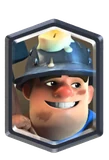

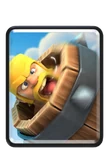

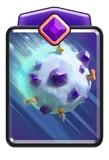
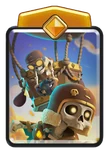


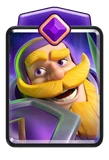
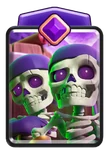
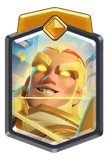
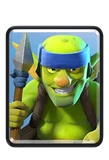
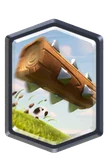

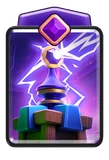
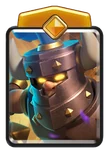

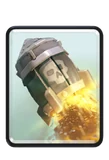
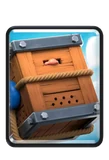
RoyaleTracker listed the most used Evolutions as Musketeer, Skeletons, Tesla, Knight and Wall Breakers, and the most used Heroes as Ice Golem, Dark Prince, Balloon and Magic Archer.
The facts: all four builds are above 52%. What it means: the Balloon versions are the strongest. Still unknown: whether those results hold when more players copy them.
Quick math: 1 + 4 + 2 + 5 + 3 + 4 + 2 + 2 = 23. Divide by 8 and you get 2.9.
Fact, assumption, implication: fact, the two Balloon builds lead the table. Assumption, that Balloon is the reason. Implication, add Balloon first if you want a second threat.
Try it yourself: open the Clash Royale Deck Builder with the top deck above, 66.6% in the tracker sample, already loaded. Swap Giant Snowball for another cheap spell to see how the cost changes.
How to Play a Miner Deck
- Use Miner to chip the tower. Place it where the opponent cannot answer quickly.
- Keep the cycle moving. Cheap cards bring Miner back soon.
- Defend with Bomb Tower. It holds the line against tanks.
- Add Balloon for a bigger threat. Miner and Balloon together force two answers.
- Use Barbarian Barrel and Snowball for swarms. They are cheap and fast.
- Save the Hero for the right moment. The ability helps when the opponent has used their spells.
The move: after the opponent spends a big card, play Miner on the tower you can reach, then follow with Balloon.
If heavy decks keep rising, a cheap chip deck is one way to answer them. The negative effect: a long chip game means more time at 3 elixir plays, which can bore both players and slow the match.
What Beats a Miner Deck
- A ready answer near the tower: a cheap troop placed on the Miner trades well, since Miner costs only 3.
- Fast pressure of their own: an opponent who attacks first forces you to defend.
- A tracked Miner cycle: a player who counts Miner placements waits for it.
For placement tips, read the Miner card guide, the completed guide to Miner placements and the bad matchups guide for Miner and Wall Breakers.
Here’s the problem: Miner does small damage. If the opponent keeps a counter ready, you get little from it.
The cost of a mistake: Miner is cheap, so one bad placement costs 3 elixir. Cheap errors are easier to recover from than a lost 6-elixir card.
Can You Play It Without Evolutions?
The base cards are cheap, and Miner decks existed long before Evolutions. The October tracker lists only builds that use them, though. See the free-to-play guide for how to begin and the deck slots guide for the upgrades.
Start with base cards. Add one Evolution or Hero later.
If Evolutions and Heroes keep spreading to cheap cards, Miner decks will have more depth. The top build already runs two Evolutions and a Hero. The negative effect: more depth makes the deck harder to learn, and a free-to-play player may need months to build the right set.
Go deeper: For card basics, read the Miner card page and the guide to Miner placements. Building something similar? The Clash Royale Deck Builder tracks the average cost for you.
Frequently Asked Questions
What is a Miner deck in Clash Royale?
A cheap deck that uses Miner to chip the tower, often with Balloon.
Is Miner good in 2026?
RoyaleTracker listed Miner builds from 52.7% to 66.6% in October 2026.
How much does Miner cost?
Three elixir.
What is the best Miner deck?
The Evo Skeletons, Evo Musketeer, Hero Ice Golem build with Balloon and Bomb Tower at 66.6%.
What counters Miner?
Cheap troops placed near the tower, and careful tracking of the cycle.
Does Miner work without Evolutions?
It did for years before Evolutions existed, but the October tracker shows only builds that use them.
The Bottom Line
The takeaway: chip with Miner, keep the cycle moving, and add Balloon when the opponent is short on elixir.
What to watch next: changes to Miner, Bomb Tower or Balloon.
Want to test this list yourself? Our step-by-step Deck Builder guide walks through every tab, from the meters to the copy link.
Sources
Researched from the following (no links, listed for transparency):
- RoyaleTracker, Miner best decks (October 2026 tracker samples)
- RoyaleTracker, deck archetypes 2026 (usage and win rates by archetype, October 2026)
- The original clash.world pages (2017-2024), used only for the “then” comparison