AI Overview: The best Clash Royale strategy for beginners is simple: learn how elixir flows, defend first, then push with your win condition. A battle lasts three minutes plus up to two minutes of overtime, and elixir refills one point every 2.8 seconds until the last minute, when it doubles. Play one cheap, well-upgraded deck, count elixir, and never spend all ten points without a plan.
Last Updated: October 2026
Key Points:
- A battle is 3 minutes plus up to 2 minutes of overtime, with elixir doubling in the last minute.
- Elixir refills one point every 2.8 seconds at normal speed, 1.4 in double and 0.7 in triple.
- Defend with positive elixir trades, then counter-push with whatever survives.
- Pick one win condition and upgrade your eight deck cards before anything else.
- A cheap deck cycles faster: Hog 2.6 Cycle really does average 2.6 elixir.
Table of Contents
How a Match Works
You and your opponent fight over three towers, and elixir is the clock that decides how fast you can play cards. Learn the clock and you win more.
Clash Royale Support lists the timing. A normal battle lasts three minutes. If both sides have destroyed the same number of towers, overtime follows and the first tower wins. If nobody breaks a tower in two minutes of overtime, the side whose tower has the lowest remaining health loses.
The facts: three minutes, then up to two of overtime, with elixir speeding up. What it means: late in the match, the player who saved elixir can outplay the one who spent early.
| Phase | Elixir speed | One elixir every |
| Minutes 1 and 2 | x1 | 2.8 seconds |
| Minute 3 (double elixir) | x2 | 1.4 seconds |
| Overtime minute 1 | x2 | 1.4 seconds |
| Overtime minute 2 (triple elixir) | x3 | 0.7 seconds |
Why it matters: the maximum is 10 elixir. If you sit at 10, you waste what you would have earned. Spend it before it overflows.
Beginner guides tend to teach the same basics, but the game keeps changing around them, with new Evolutions, Heroes and balance patches each season. Expect the basics to stay and the card advice to shift. The negative effect: a player who copies a strategy video from last year can end up with a deck built around cards that have since been nerfed.
Ten Rules That Win More Games
- Learn one win condition. Pick the card that takes towers, such as Hog Rider, and build around it.
- Play one deck. Switching decks every loss hides what is going wrong.
- Upgrade the eight deck cards first. Our upgrade order guide explains why.
- Do not start with your biggest card. Wait a moment and see what the opponent plays.
- Defend first, then counter-push. A tank that survives a defense is your next attack.
- Count elixir. After your opponent plays a card, add the cost to their total and watch for a moment when they are low.
- Keep a cheap cycle. Cheap cards bring your best card back faster.
- Save your key spell. Fireball or Poison is for value, not for one small troop.
- Use your king tower. It wakes up when it is hit or when a side tower falls, and then it shoots. Pulling troops toward it is a real defense.
- Stay calm after a loss. Look at what killed you and change one thing.
Ten rules sound like a lot. Start with three: one deck, one win condition, count elixir.
The catch: rules are a starting point. When your deck, your cards and the meta change, the rules bend, so test each idea in real matches.
Count Elixir Like a Cashier
An elixir trade is the cost of the card you used compared with the card you beat. If you spend 3 elixir on Arrows and wipe out a 5-elixir Minion Horde, you gained 2. That is a positive trade. At equal card levels this is a common one, but check it in training before you rely on it.
Quick math: add up your deck and divide by eight. Hog Rider (4), Musketeer (4), Ice Golem (2), Cannon (3), Skeletons (1), Ice Spirit (1), Fireball (4) and The Log (2) add up to 21. Divide by 8 and you get 2.6, which is why Timesaver.gg calls this deck Hog 2.6 Cycle.
What it means: a deck averaging 2.6 elixir gets back to its Hog Rider much faster than one averaging 4.
Build a Simple Deck
- One win condition: the card that takes towers.
- Two spells: one big, one small.
- One or two defensive buildings or tanks: they hold the line.
- A few cheap cycle cards: Skeletons, Ice Spirit and similar.
- Air and ground covered: if your deck has no answer to air, Balloon will beat you.
Why it matters: a deck with no air answer loses to Balloon even if every card is upgraded.
For the decks that are working right now, see the current Clash Royale meta and the combos that win.
The trend in recent seasons is toward faster, cheaper decks. If it continues, defending without a plan will get harder, since cycle decks punish slow plays. The negative effect: beginners who like big, slow cards may find the ladder less friendly than it used to be.
| Deck | Cards | Avg elixir | Win rate (sample) |
| Hunter cycle deck | 2.8 | 69.1% (388 battles) |

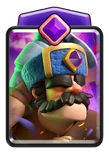



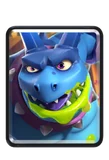

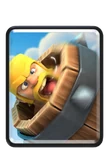
Try it yourself: open the Clash Royale Deck Builder with a Hunter cycle deck featuring Evo Princess, Evo Hunter and Hero Knight, 69.1% in the tracker sample (388 battles), already loaded. A cheap deck is the easiest place to learn elixir counting.
Mistakes to Skip
- Spending all your elixir in the first seconds of a match.
- Dropping a win condition onto a tower that has the perfect counter already waiting.
- Upgrading cards you rarely play.
- Changing the deck after every loss.
The move: next match, wait for your opponent to play first and answer what they do.
Here’s the problem: most beginner losses come from overspending, not from a weak deck. Learn the elixir clock first and everything else gets easier.
As Supercell adds more Heroes and Evolutions, the basics will matter even more, because abilities reward good timing. The negative effect: more abilities mean more things for a beginner to track, and a game that feels easy to learn can start to feel hard to master.
To stay patient while you grow your cards, read how to get Gold in Clash Royale.
Go deeper: Related reading: the elixir guide, how to count cards and the free-to-play decks guide. Use the Clash Royale Deck Builder to compare your own eight cards against this one; it shows the average cost live.
Frequently Asked Questions
What is the best Clash Royale strategy for beginners?
Learn elixir, play one cheap deck, defend first and push with your win condition.
How long is a Clash Royale match?
Three minutes, plus up to two minutes of overtime if the towers are tied.
How fast does elixir fill?
One point every 2.8 seconds, 1.4 in double elixir and 0.7 in triple, up to a maximum of 10.
What is an elixir trade?
Comparing the cost of the card you played with the cost of the card you beat. Winning the trade means you spent less.
Should you switch decks often?
No. Play one deck until you understand its weak spots.
What is a win condition?
The card your deck relies on to take towers, such as Hog Rider.
The Bottom Line
The takeaway: know the clock, play a cheap deck and count what your opponent spends. Those three habits beat most beginner mistakes.
What to watch next: read the balance notes each season. A nerf to your win condition changes the plan.
Found a deck or card you like? Load it in the Clash Royale Deck Builder, and follow our step-by-step guide to check it before you play.
Related reading on this topic: Clash Royale Basic Knowledge: What Still Holds Up Today.
Sources
Researched from the following (no links, listed for transparency):
- Clash Royale Support, “Elixir” article (regeneration speeds, battle length, overtime)
- Timesaver.gg, best Clash Royale decks for October 2026 (October 1, 2026; Season 88 nerf list)
- TrophyCoach, F2P progression guide (updated August 29, 2026)
- Supercell, Clash Royale blog: “Coming in the Next Update” (November 2025: Level 16, Ranked cap)
- The original clash.world pages (2016-2022), used only for the “then” comparison