AI Overview: Hero Electro Wizard costs 4 Elixir to deploy and 2 more to use Surging Strikes, which damages and stuns nearby enemies with two beams. He is strongest as a control tool that buys time for your tower. Activate only when targets are close and something on your side benefits from the pause.
Last Updated: October 2026
Key Points:
- Surging Strikes costs 2 Elixir, so one deployment plus one activation commits 6 Elixir.
- Unlock him with 200 Hero Coins or the premium Pass Royale choice reward.
- Best counters: remove the support, split your pressure, and keep your valuable troops apart.
- “Broken” is headline shorthand. No launch-day data proves he is overpowered.
Hero Electro Wizard turns a familiar Clash Royale defender into a card with an extra decision attached: spend two more Elixir now, or save it for the next threat. Get that decision right and an enemy push can lose its momentum. Get it wrong and the fancy lightning becomes an expensive light show. For more on this world, visit our Games section.
Here, “broken” means dramatic control potential. It is headline shorthand, not a proven balance verdict or a software bug. Shocktober launches on October 5, 2026, and a launch-day highlight reel cannot establish a settled competitive meta.
This Hero Electro Wizard guide covers the confirmed ability, practical timing, deck ideas, and counterplay. The goal is simple: understand what creates value before spending resources to chase it.
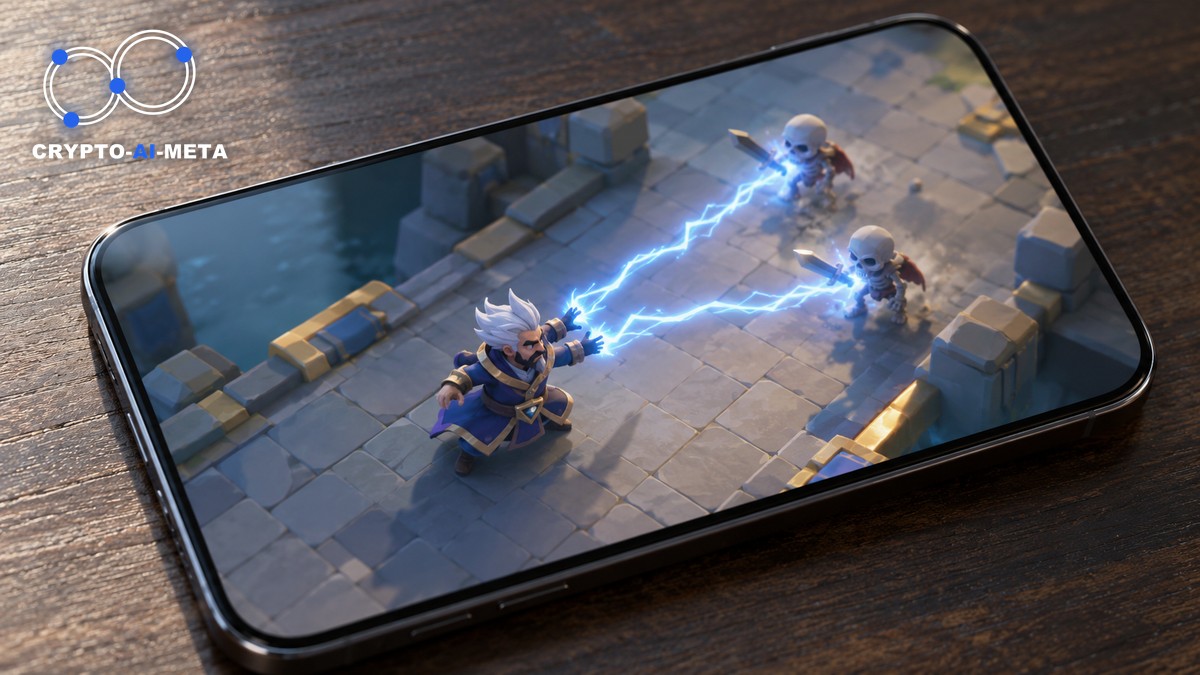
Table of Contents
Quick Answer: What Makes Hero Electro Wizard Dangerous?
Surging Strikes damages and stuns nearby enemies with two electrical beams. Supercell confirms an activation cost of 2 Elixir. Its most interesting use is creating a short control window while your tower or other troops keep working.
The answer is not to press the ability button every time it appears. Protect the wizard, wait for useful targets, and keep enough Elixir for the rest of the defense. Against him, remove the support, separate your threats, and avoid feeding his ability a tidy pair of valuable targets.
Think of him as a tempo tool. He can help buy time, but time only matters when something on your side uses it.
A Hero ability is a button you pay for. Press it only when the pause helps your next move.
Confirmed Mechanics Versus Preview Numbers
Supercell’s Shocktober announcement identifies Hero Electro Wizard as the new Hero. Its support article names Surging Strikes, confirms the twin-beam damage and stun effect, and lists Hero Coins or the premium Pass Royale choice reward as unlock routes. Weighing the pass? See Is Pass Royale worth it in 2026? for the free-versus-paid breakdown.
RoyaleAPI’s September 29 preview says the Hero retains the normal card’s base stats. Its developer build showed a three-second ability, repeated half-second stuns, five strikes, a five-tile range, and a timer that begins when activated. These are preview observations, explicitly subject to change, rather than a verified launch-client specification.
| Detail | What this guide can establish |
|---|---|
| Deployment cost | 4 Elixir on RoyaleAPI’s card listing |
| Ability cost | 2 Elixir, confirmed by Supercell |
| One deployment plus one activation | 6 Elixir committed in total |
| Core effect | Damage and stun through two beams |
| Exact duration and strike timing | Developer-build preview only; check the live game |
| Overall strength | No representative launch-day win-rate conclusion established here |
Exact damage breakpoints, cooldowns, and interruption behavior are intentionally not presented as settled live facts. Check the current card screen and test interactions after updates.
The catch: the half-second stuns and five-strike numbers come from a developer-build preview, not the live game. Treat them as a guide, not a rule.
How to Unlock and Equip the Hero Form
Supercell’s general Hero instructions describe unlocking a chosen Hero with 200 Hero Coins. The October support article includes that route for Electro Wizard. A paid Pass is therefore not the only publicly described path.
After unlocking, equip the card in a Hero Slot or Wild Slot so it appears in Hero form during battle. Supercell says the Hero Slot unlocks at Arena 5 and the Wild Slot at Arena 10. Placing an unlocked Hero in an ordinary slot leaves it in regular form. For how Hero, Evolution and Wild slots work together, read our Heroes vs. Card Evolutions guide.
Check what the reward screen actually offers before claiming a Pass choice. Compare the value to your existing deck, not the volume of launch-day discussion. Owning an exciting form does not fix an underleveled collection or unfamiliar placements.
The Real Strength: Buying Useful Time
A defender does not need to win every duel alone. Sometimes its job is to keep a threat busy while the tower finishes the work. Hero Electro Wizard fits that idea because his activated control can support the rest of a defense.
That suggests a useful question before every activation: what gets better during this window? Perhaps a damage dealer gets extra attacks. Perhaps your tower has more time. Perhaps an opposing support unit loses the chance to help its tank.
If nothing useful changes, keep the two Elixir. A glowing button is an option, not a bill that must be paid.
When to Activate Surging Strikes
Start by watching the opponents’ position rather than the animation. Are valuable targets actually close enough? Is your wizard about to be removed? Is another friendly unit ready to use the opening?
A good practice habit is to delay the decision until those questions have answers. The preview’s timer behavior makes early activation look especially wasteful, but the broader principle survives any timing adjustment: do not spend resources before the interaction is ready.
Also account for what comes next. Spending the ability cost while holding an important defensive card can make the immediate fight look better and the following fight much worse.
Placement: Keep the Wizard Alive Long Enough to Matter
A support card needs access to targets and protection from immediate pressure. Placing Electro Wizard carelessly beside another valuable troop can offer the opponent an attractive spell trade. Sending him forward alone can waste the defensive role you selected him for.
Practice placements that let your tower participate while keeping your support pieces apart. Watch how the enemy approaches and whether your own troops create room for the wizard to work.
Do not memorize one universal tile for every matchup. Different attackers, tower troops, and supporting spells change the position. Replays are especially useful here because they show whether the placement failed before the ability decision even mattered.
Elixir Management: Four Plus Two Still Equals Six
The card costs four Elixir to deploy, and the ability adds two. That arithmetic matters because the result on screen can hide how much the entire exchange cost.
For example, defending a threat with Electro Wizard and his ability commits six Elixir before any additional spell or troop. Whether that is sensible depends on the enemy’s total commitment, the tower damage prevented, and what survives afterward.
Do not automatically call it a positive trade because the opposing card disappeared. Count the whole push. Include the follow-up defense. A surviving unit is helpful only when it creates value rather than inviting another unnecessary investment.
Deck Idea One: A Bridge-Spam Learning Shell
One starting shell is P.E.K.K.A, Battle Ram, Bandit, Royal Ghost, Hero Electro Wizard, Poison, Zap, and Minions. Its listed deployment costs total thirty Elixir across eight cards, for a 3.75 average. Ability spending is additional.
This practice shell gives the wizard a support role while the rest of the list supplies pressure and defensive tools. It is not a verified top-ranked launch deck. Equip Electro Wizard in the appropriate Hero-capable slot.
Test whether Surging Strikes preserves a defender that can help your next attack. Avoid building a giant counterpush simply because the first defense succeeded. Add pressure when the opponent is stretched, not when the screen looks impressive.
Any substitutions should preserve the deck’s jobs: a win condition, workable air defense, removal, and responses you can afford. Replacing several cards at once makes the experiment harder to read.
Deck Idea Two: A Cheap Control Practice List
A second testing shell is Miner, Poison, Knight, Hero Electro Wizard, Cannon, Bats, The Log, and Skeletons. The deployment costs total twenty-two Elixir, giving a 2.75 average before ability use.
This list is a learning exercise rather than a promise of ladder success. It encourages smaller commitments and makes the two-Elixir activation easier to notice in your budget. Matchups, levels, and available card forms can make it unsuitable for your account.
Use it to answer a narrow question: does the Hero ability help your defense without disrupting the cycle you need? If it repeatedly leaves you short of a building or spell, that is useful feedback. The deck may need adjustment, or the button may simply need less attention.
Counter One: Remove the Support Before It Pays Off
The most straightforward counterplan is to stop the wizard from staying involved. Removal spells and troop pressure are options, but choose them according to the board and current level interactions.
Do not assume Fireball alone guarantees a knockout at equal levels. Check remaining health and have a finishing plan when necessary. Likewise, an expensive spell is not automatically efficient just because it removes a troublesome card.
Look for additional value: another support troop, useful tower damage, or a way to clear the defender protecting the wizard. Avoid spending your entire reserve on him while a different win condition still threatens your tower.
Remove the card, not your ability to defend the rest of the match.
Counter Two: Use a Durable Defender With Help
Knight, Valkyrie, and other sturdy defenders are reasonable candidates to test against a supporting wizard. The idea is to occupy his attention while another unit or your tower contributes damage.
That is a positioning plan, not a claim that any named troop wins every direct duel. The ability, card levels, nearby troops, and starting positions can change the result. Test the encounter with the same support you normally face.
Keep the damage source separate from the unit absorbing attention when the layout allows it. If the opponent can get valuable beams onto both pieces, the plan may lose its advantage. Avoid treating a two-card answer as automatically cheap; count both cards.
Counter Three: Split Pressure Instead of Serving a Combo
The confirmed two-beam design gives a clear reason to think about spacing. Do not casually bring your most important threats together where one ability can affect both.
Split-lane pressure can be worth testing when the opponent has spent heavily on the wizard’s side. It forces choices about where the remaining defense belongs. However, a weak second-lane attack can also become a donation if the opponent has an efficient answer ready.
Commit only when the opponent’s resources and your own defensive position justify it. The objective is to stretch their choices, not to press cards in both lanes for the sake of looking busy.
Counter Four: Make the Ability Spend Awkward
If the opponent activates against low-value pressure, notice the extra two-Elixir commitment. Your opportunity may be elsewhere rather than directly into the stun window.
Cheap units can help test reactions, but swarms are not a guaranteed answer to an electrical attacker. Similarly, a knockback spell should not be described as a universal ability cancel without checking the live interaction.
Use friendly battles to test whether displacement changes targeting, delays contact, or actually stops the effect. Those are different outcomes. A replay that shows the wizard moving does not prove the entire ability ended.
Against a new card, precise observations beat confident guesses. Especially the guesses that cost trophies.
Hero Electro Wizard Counters: A Practical Checklist
| Counterplan | What to check | Main risk |
|---|---|---|
| Spell removal | Current damage and remaining health | Spending too much for too little value |
| Durable troop plus damage | Position and target access | Both defenders enter the ability window |
| Split-lane pressure | Opponent’s remaining resources | Second attack is cheaply stopped |
| Displacement experiment | Live interaction in a friendly battle | Mistaking retargeting for cancellation |
| Delay or redirect pressure | What happens after activation | Losing tower damage while waiting |
Start with the counterplan already available in your deck before leveling something new. Position, timing, and the full exchange matter alongside the card name.
Where the Hero Electro Wizard Meta Could Go Next
Over the next few weeks, deck builders may move from flashy ability clips toward quieter control lists that protect Electro Wizard and force awkward responses. If that happens, the important shift will be better timing rather than bigger pushes. Players who learn the interaction now could benefit without rebuilding an entire collection.
The practical response is to learn one repeatable defense and one counterplan. That creates a useful foundation even if popular deck lists change. Track which exchanges improve, rather than treating every new video as a reason to abandon your deck.
Common Mistakes That Waste the Hero Ability
The first mistake is automatic activation. The second is placing the wizard where he cannot contribute. The third is trying to repair a poor deployment with extra spending.
Another trap is defending successfully, then sending every available support card behind the survivor. The opponent may still have a spell or an efficient defender. Your next attack should follow their actual weakness, not the emotional satisfaction of stopping the last push.
Finally, do not compare a highlight played with favorable levels to your normal ladder games. A card that survives in one clip may not survive the same sequence on your account. Verify before copying.
How to Test Him Without Chasing Every New Deck
Keep one deck stable for a short practice session. Record when the ability helped, when it did nothing useful, and when saving the two Elixir would have been better.
Review a few losses with one question at a time. Was the deployment wrong? Was the activation premature? Did the opponent remove the wizard? Was the next threat the real reason the defense failed?
Change one habit, then repeat the exercise. Small, readable tests give better feedback than replacing half your deck after every loss. A new Hero adds a decision; good practice makes that decision less noisy.
Should You Spend Hero Coins or Buy the Pass?
Start with your existing collection and preferred deck. If Electro Wizard already fills a job you need, the Hero form is worth examining. If the card has no natural role, unlocking it does not create one.
Supercell describes both Hero Coin access and a premium Pass choice. Compare the complete rewards and your budget rather than assuming that paying is necessary to participate.
If Surging Strikes consistently creates too much defensive value, future balancing could target its cost, timing, or control window. That is a possibility, not an announced nerf. Frequent adjustments could also make early deck advice age quickly, so expensive upgrades based only on launch excitement may leave players disappointed.
Better placements and disciplined spending can improve the same deck without a new paid reward.
Why “Broken” Is Still an Open Question
A convincing balance verdict needs more than one strong defense. It needs relevant match data, clear time filters, reasonable sample sizes, and comparisons across levels and modes.
Early deck statistics can be distorted by experienced players experimenting, unfamiliar opponents, and selective lists. A deck’s win rate also belongs to its whole lineup; it cannot be assigned entirely to the wizard.
A less healthy outcome would be a narrow environment where players feel forced to pack the same removal tools or unlock the newest Hero to keep up. That could reduce deck variety and make progression feel more pressured. Strong counterplay and clear balance communication would help keep a new mechanic from becoming a recurring spending race.
For now, the honest conclusion is that Surging Strikes has interesting control potential. Whether that becomes excessive power depends on live interactions and what opponents learn to do against it.
Hero Electro Wizard FAQ
How much does his ability cost?
Supercell lists Surging Strikes at 2 Elixir. Add that to the four-Elixir deployment when budgeting for one activation.
Is Hero Electro Wizard the Electro Giant Evolution?
No. Shocktober introduces both, but they are separate card forms with different mechanics and unlock details. Do not use an Electro Giant description to explain this Hero.
Does the ability freeze every enemy nearby?
The official description confirms two beams that damage and stun nearby enemies. It does not justify describing the ability as a guaranteed freeze of every troop in an area.
What is the best counter?
There is no universal answer established here. Start with removal, positioning, and resource management, then test your specific card interactions in the live game.
Make the Two Elixir Count
The strongest Hero Electro Wizard play is a deliberate one. Protect him, choose useful targets, and activate only when the control window improves the exchange. Against him, separate pressure and preserve a removal or positioning plan.
The lightning may sell the highlight. The decision behind it wins the exchange. The story of how these systems brought players back is in how Supercell revived Clash Royale.
Sources
- Supercell — New Season: Shocktober!, October 5, 2026.
- Supercell Support — Watt’s New? — October 2026.
- Supercell Support — Heroes.
- RoyaleAPI — Hero Electro Wizard — October 2026 (Season 88), September 29, 2026; developer-build preview.
- RoyaleAPI — Hero Electro Wizard and supporting card listings.