AI Overview: A Clash Royale deck that keeps losing usually has one of seven holes: no clear win condition, elixir that runs too high, nothing that hits air, cards doing the same job, a recent patch, low card levels or one hard counter. Check the deck before the player. A free deck checker finds most holes in minutes.
Last Updated: October 2026
Key Points:
- The Deck Builder warns above 4.6 average elixir and calls a deck under 3.4 a cycle deck.
- The heavy example deck costs 40 elixir, which is 5.0 on average. The fast example costs 20, or 2.5.
- Supercell’s October 6 patch made 7 nerfs, 8 buffs, 1 rework and 2 bug fixes, so a deck that won last month can lose today.
- The Log and Cannon only hit the ground, so neither counts as air defense.
- Three or more win conditions in one deck gets flagged. One main and one backup is a safer setup.
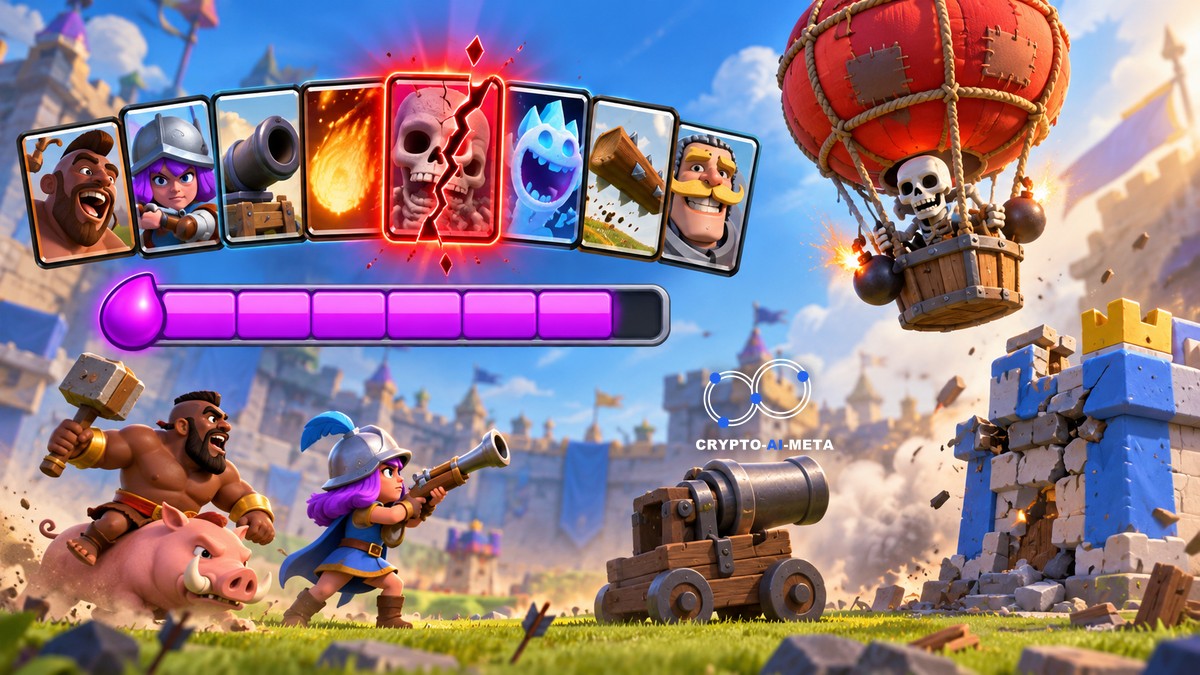
A Clash Royale deck that keeps losing is rarely unlucky. It usually has a hole, and the hole is easy to find. If the losses came in one bad night, start with How to Stop a Losing Streak in Clash Royale. This page covers the deck itself.
The Seven Holes, Checked One by One
| Hole | What it looks like | Quick check | Fix |
| 1. No clear win condition | Defense is fine, but towers never fall | Name the card you play to hit the tower | One main win condition and one backup |
| 2. Elixir too high | Always behind on elixir | Add the eight costs, divide by 8 | Swap a heavy card; above 4.6 gets a warning |
| 3. Nothing hits air | A Balloon or Minions walk through | Count cards that hit air; aim for two | Add Arrows, Fireball, Musketeer or Baby Dragon |
| 4. Same job, many cards | Three cards do one thing | List each card’s role | Swap one for a missing role |
| 5. A patch changed it | A deck that worked now loses | Open Patch risk | Replace the changed card |
| 6. Cards behind | Even trades go badly | Compare levels with what you face | Level the cards you play every game |
| 7. One hard counter | The same deck beats you | Note which deck you lose to | Use the Counter tab or an anti-meta deck |
Why it matters: a deck is eight cards that work as a team. If one job is missing, the opponent finds it in the first two minutes and plays around you all match. Check the holes in this order.
The fact: a deck that loses over many days likely has a flaw. The assumption: it is bad luck. What it means: check the deck before you change how you play.
The Holes in Plain English
Hole 1: no clear way to win. A win condition is the card that takes towers down, like Hog Rider, Balloon, Giant or Graveyard. With none, a deck can defend all day and still lose on tower damage. The opposite mistake is just as common: three or more win conditions means you cannot afford to play them all, and the Deck Builder flags it. Quick test: if you need more than two answers to “which card hits the tower”, the deck is crowded.
Hole 3: nothing hits the air. Air units fly over your ground blockers, so a single Balloon or a pack of Minions can wreck a deck with no answer. Most decks need at least two cards that can shoot up. A common fix is to swap one ground-only card for a flexible one, like Baby Dragon or a spell.
Hole 4: too many cards do the same job. The Deck Builder sorts cards into eight roles: win conditions, cards that hit air, swarm control, small spells, big spells, tanks, defensive buildings and cheap cycle cards. If three cards do one job, another job is missing. Two big spells and no small spell is a common trap. So is stacking several expensive troops that fall to the same counter.
Hole 6: your cards are behind. A good deck with low levels loses to a mediocre deck with high levels. If your win condition is two levels behind, trades go badly even when you play well. Check your levels against what you face.
Hole 7: one deck keeps beating you. Sometimes your deck is fine, and one opponent deck is a hard counter. Every deck has them. Find a deck that beats the one beating you, or add a card that answers it.
Two Decks, Priced Card by Card
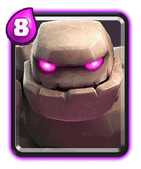



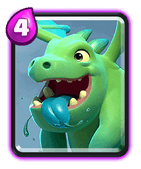

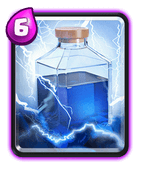
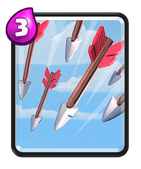
The heavy list: Golem (8), Lava Hound (7), Balloon (5), Night Witch (4), Baby Dragon (4), Tombstone (3), Lightning (6) and Arrows (3) add up to 40. Divide by 8 and the average is 5.0. That deck needs an elixir lead before it can play anything.

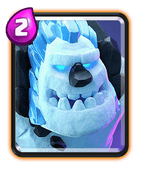


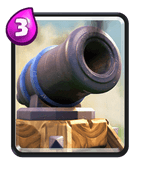

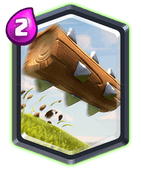
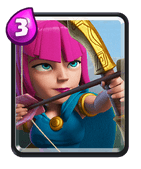
The fast list: Hog Rider (4), Ice Golem (2), Skeletons (1), Ice Spirit (1), Cannon (3), Fireball (4), The Log (2) and Archers (3) add up to 20, or 2.5. It can replay its win condition again and again.
Cost check: under 3.4 is a cycle deck, 3.4 to 4.0 is balanced, 4.1 to 4.6 is heavy, and above 4.6 gets a warning. Neither list is wrong. The mistake is playing a 5.0 deck like a 2.5 deck, because small trades leave a heavy deck behind. Our Golem Beatdown in Clash Royale: 8 Lessons on Momentum guide shows how heavy decks stay patient.
As more Heroes and Evolutions arrive, decks get more moving parts, so average elixir says less about how a deck plays. The negative effect: players trust one number and stop checking the rest.
What Changed in 2026
In short: Supercell’s October 6 patch tightened the Skeletons spawn spread, raised Lava Hound damage from 53 to 71 while slowing its hit from 1.3 to 1.5 seconds, and cut Barbarian Barrel damage from 232 to 215. Wall Breakers rose from 281 to 302.
Claims, rechecked. Old deck lists rarely say when they were made, so a list called safe last month may be stale. The October patch shows how fast one list can shift. The Clash Royale Meta Right Now page keeps a dated snapshot.
The catch: a change like the Skeletons spread looks small, but it makes a cheap cycle card easier to clear with splash. A deck built around it feels the change first.
Expect patches to keep landing often, and expect the pace to quicken. The negative effect: gold spent on this month’s top deck can be wasted when the next patch lands.
How to Fix It Today
The order: open the Clash Royale Deck Builder and load your deck. Read the average elixir. Run Deck check. Open Patch risk. Then try the Counter tab with the deck that keeps beating you. For a full tour, read the step-by-step Deck Builder guide.
Zoom in on air: Arrows and Fireball hit air, as do Musketeer and Baby Dragon. Cannon and The Log do not. See Fireball in Clash Royale: 4 Easy Wins and 3 Traps for how one spell covers several jobs.
Tips. Level the cards you play every game before you chase new ones. Our Best Free-to-Play Clash Royale Decks for Trophy Road guide shows decks that work without paying. If one deck keeps winning against you, read Anti-Meta Decks in Clash Royale.
Try it yourself: the Deck Builder can open the heavy list above with all eight cards placed, and the average cost reads 5.0. Swap in two cheaper cards and watch the warning clear. The meters are rule-of-thumb checks, not win rates.
Deck tools will probably keep getting smarter, and more players will copy the same top lists. The negative effect is sameness. When everyone runs one deck, counter decks get strong fast, and the top deck falls out of favor within weeks. Hard counters also get found sooner as counter tools spread.
What to watch next: the next balance patch, and new Heroes and Evolutions that change how a deck plays.
Frequently Asked Questions
What is a good average elixir cost in Clash Royale?
As a rule of thumb, cycle decks sit under 3.4, balanced decks sit between 3.4 and 4.0, and heavy decks run 4.1 to 4.6.
How many win conditions should a deck have?
One main and one backup is a safe start. Three or more gets a warning.
Does every deck need air defense?
Almost every deck does. Include at least two cards that can hit flying units.
How often should you change your deck?
After a patch or a clear pattern of losses. Not after one bad night.
How do you know if the deck or the player is the problem?
Many days of losses with the same deck point at the deck. A sudden streak points at the player.
The takeaway: a losing deck almost always has a hole you can name. Check win condition, elixir, air defense, roles, patches, levels and counters, in that order.
Related reading on this topic: Is Your Deck Losing Games? 5 Weak Spots Our Checker Finds.
Sources
Researched from the following (no links, listed for transparency):
- Supercell, Clash Royale release notes, October Balance Changes (October 6, 2026)
- CryptoAIMeta, Clash Royale Deck Builder: tabs, Deck check rules and elixir bands (October 2026)
- Supercell, Clash Royale in-game card list: elixir costs and card types
- Clash Royale Wiki, card pages for elixir cost and targeting
- SeeMeta, Clash Royale balance changes (updated October 2026)
- RoyaleAPI, card data and balance blog